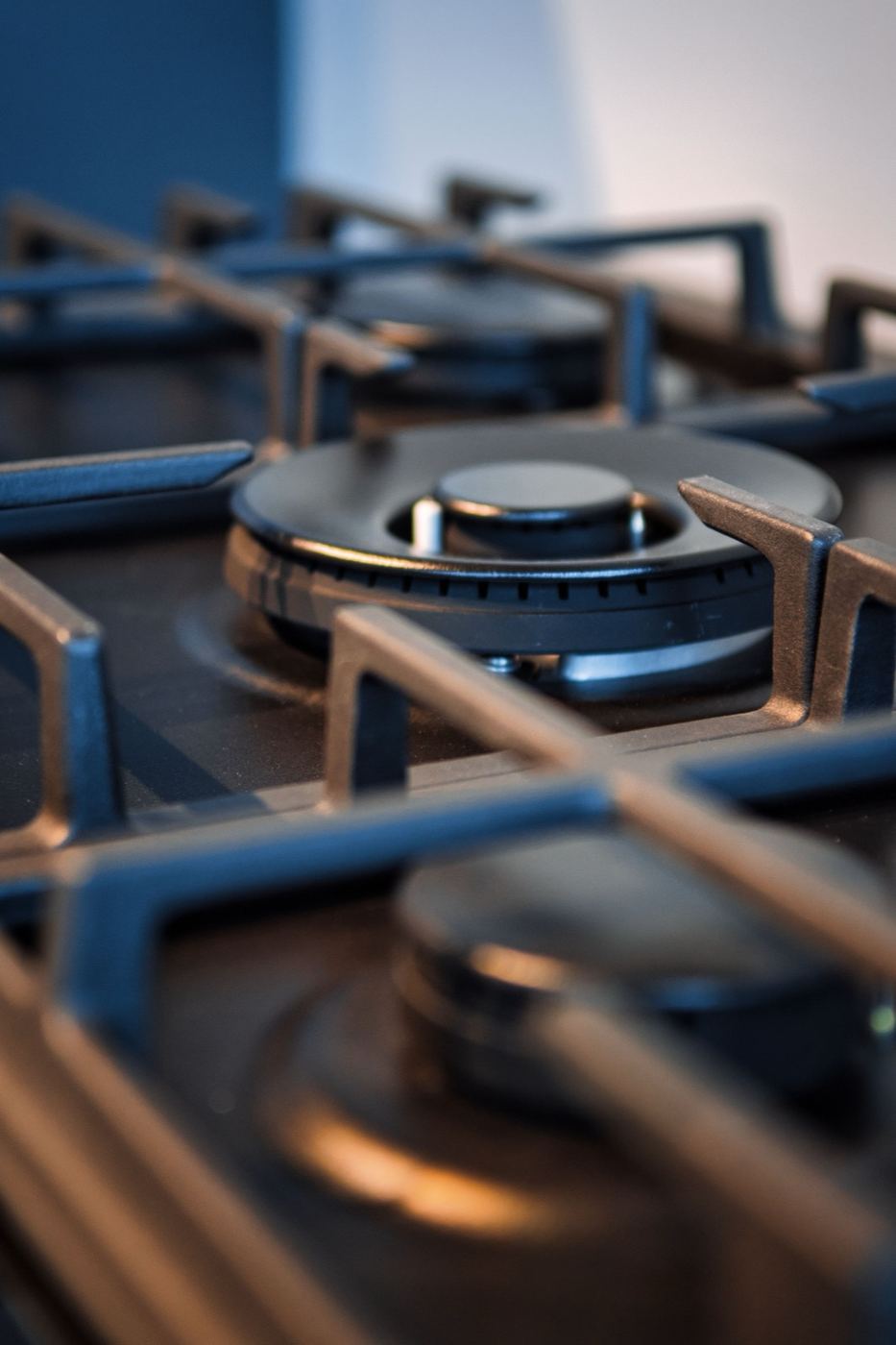
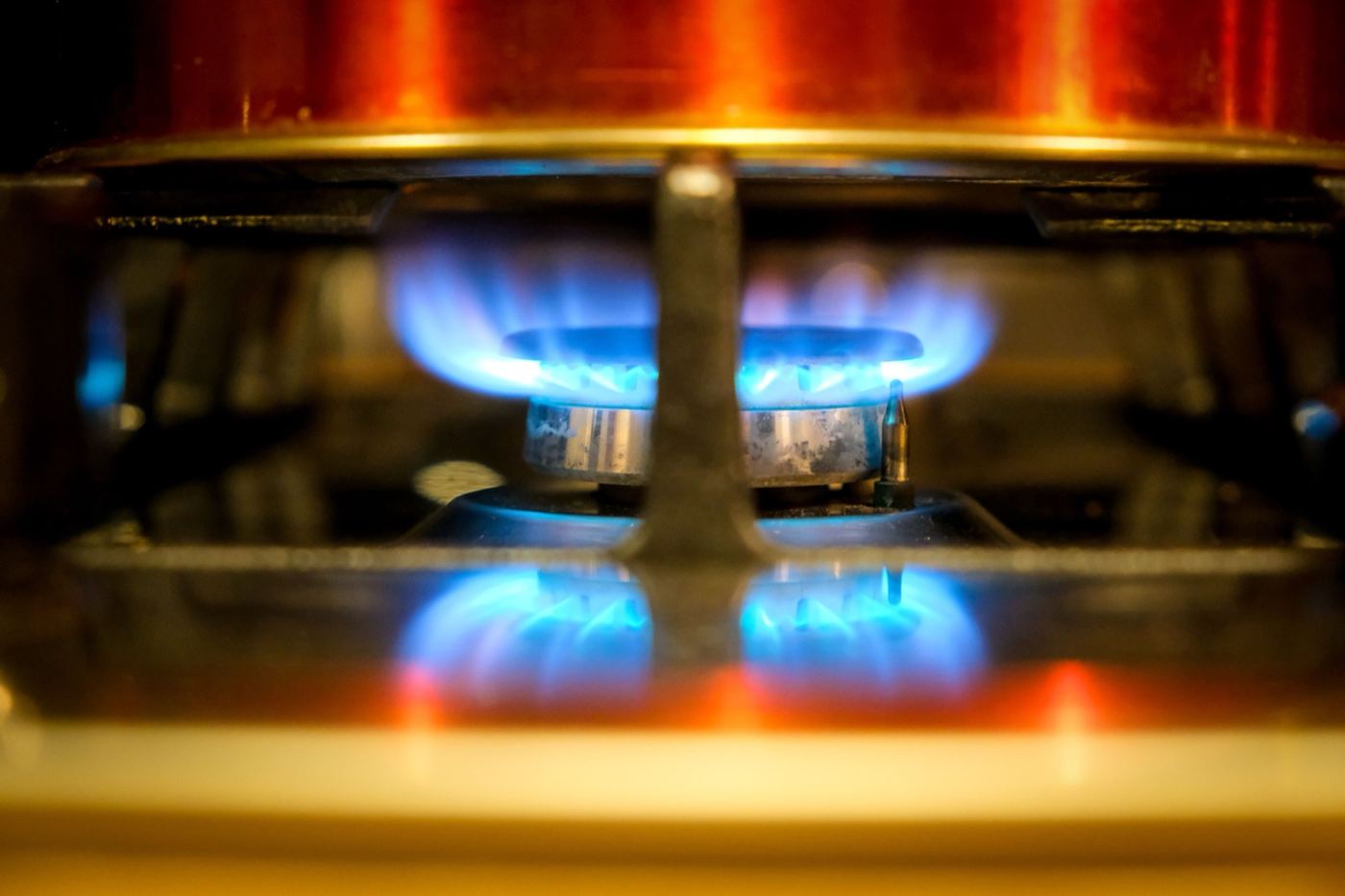
If a gas burner clicks but won't light, the most common cause is trapped moisture or debris blocking the burner ports, both simple checks. If the burner lights but heats unevenly, or an electric burner doesn't heat at all, the cause is more likely a misaligned cap, a worn heating element, or a failing switch.
When a stove burner clicks steadily but never catches, or lights unevenly with a weak or lopsided flame, it is easy to assume the whole stove needs replacing. In practice, the cause is almost always something small and local to that one burner, trapped moisture, a dirty port, or a cap that isn't seated quite right, sitting alongside a smaller set of causes that genuinely need a licensed technician.
Below are the eight causes we see most often, ordered from most to least common, along with the signs that separate one from another and an honest answer on whether it is safe to check yourself. A few causes only apply to one fuel type, so knowing whether your stove is gas or electric will help narrow things down faster.
Jump to a cause
Blocked or dirty burner ports (gas)
Gas flows up through small ports around the burner head to create the ring of flame. Food debris, boil-over spills, or general grime can clog one or more ports, leaving the burner with a weak, uneven, or partially missing flame even though gas is reaching it.
- This is a gas stove, not electric
- The flame is uneven, weak in spots, or only lights on part of the ring
- Visible debris or crusted spills around the burner ports
- The problem is limited to one burner, not the whole stove
Moisture trapped after cleaning (gas)
Water left in the burner ports or on the igniter after washing the stovetop can prevent the spark from lighting the gas, or make gas sputter instead of ignite cleanly, until everything fully dries out.
- The stove was cleaned or the burner caps were washed recently
- The igniter clicks normally but the burner does not light
- The problem resolves on its own after an hour or more of drying time
- Only the burners that were washed are affected
Weak or dirty igniter (gas)
The spark igniter needs a clean, unobstructed tip to generate a strong enough spark to light escaping gas. Grime, grease, or a misaligned tip weakens the spark until it can click endlessly without ever lighting the burner.
- The igniter clicks steadily but the burner still does not light
- The spark looks weak or inconsistent rather than a strong, sharp snap
- The igniter tip looks dirty, greasy, or corroded
- Other burners on the same stove light normally
Burner cap not seated correctly (gas)
The removable burner cap and head have to sit in exactly the right position for the ports to line up with the igniter and gas flow. After cleaning, a cap that is turned slightly or not fully seated can block ignition entirely.
- The problem started right after removing the burner caps for cleaning
- The cap looks slightly crooked or does not sit flush
- Lifting and resetting the cap by hand changes how it sits
- Other burners that were not removed still work normally
Failed heating element (electric)
Electric coil or radiant elements heat directly from internal wiring. Over time a coil can develop a weak spot or burn through, and a radiant element's wiring can fail, leaving that burner cold while the rest of the stove works fine.
- This is an electric stove, not gas
- One specific burner does not heat at all
- Visible scorch marks, blistering, or a break in a coil burner
- Swapping a plug-in coil with a working one confirms the element is at fault
Faulty infinite switch or control knob
The infinite switch behind each knob regulates how much power or gas reaches that burner at each setting. When it fails, a burner may not respond to the knob at all, or only work at certain settings regardless of fuel type.
- The knob turns freely but nothing happens at any setting
- The burner only works on high, or only on low, never in between
- The knob feels loose or does not click through its settings normally
- Other burners controlled by different knobs still work fine
Gas supply issue (gas)
A stove cannot ignite gas that is not actually reaching the burner. A closed supply valve, a kinked line, or a nearly empty propane tank on some setups can all starve the burner of fuel even though the igniter works perfectly.
- No hissing or gas smell when the burner is turned on
- The problem affects every burner on the stove, not just one
- A shutoff valve behind the stove or under a propane tank may be closed
- Other gas appliances in the home are also acting up
Control board or wiring fault
On stoves with electronic ignition, a control board manages when spark or heat signals fire. If the board or its wiring fails, one or more burners may never receive the signal to ignite, regardless of how clean or well-aligned everything else is.
- Multiple burners are affected at once
- Every mechanical part, ports, caps, igniter, has already been checked
- The stove's display or indicator lights behave oddly too, if equipped
- The problem appeared suddenly rather than gradually
Not sure which one matches? Start here
Gas burner clicks but won't light
- Most likely: trapped moisture or dirty burner ports
- Also check: the igniter
Electric burner does not heat at all
- Most likely: failed heating element
- Also check: the infinite switch
Not sure which one it is?
Skip the guesswork. Tell us what you're seeing and a technician will help pin down the cause.
What to check yourself first
These items are safe to check without any tools beyond a pin and a dry cloth. Never attempt to inspect or repair the gas supply line yourself.
If you ever smell gas near the stove, turn off the burner, ventilate the area, and contact your gas utility before doing anything else.
Dry everything off. If the stove was recently cleaned, dry the caps, ports, and igniter fully before trying again.
Clear the burner ports. Use a straight pin to clear each port of debris on a gas burner.
Reseat the burner cap. Lift it off and set it back down flat and level according to your manual.
Clean the igniter tip. Gently wipe away grime with a dry cloth or soft brush.
Note the stove type. Knowing whether it is gas or electric narrows down which causes above apply.
When to call a professional
Some signs point straight to a licensed technician rather than a DIY fix. Call for service if you notice any of the following:
- Any smell of gas near the stove
- Multiple burners affected at the same time
- A burning smell, scorch marks, or visible sparking
- You have checked the ports, cap, and igniter and it still won't light
- The stove is still under manufacturer warranty, since a DIY repair can void it
Revive Appliance Repair handles stove and cooktop ignition issues for gas and electric models throughout Walnut Creek and the surrounding service area. Our stove repair service covers diagnosis through completed repair, backed by a 90-day labor warranty.
You may also find these guides useful: troubleshooting an oven that is not heating and a microwave that is not heating.