
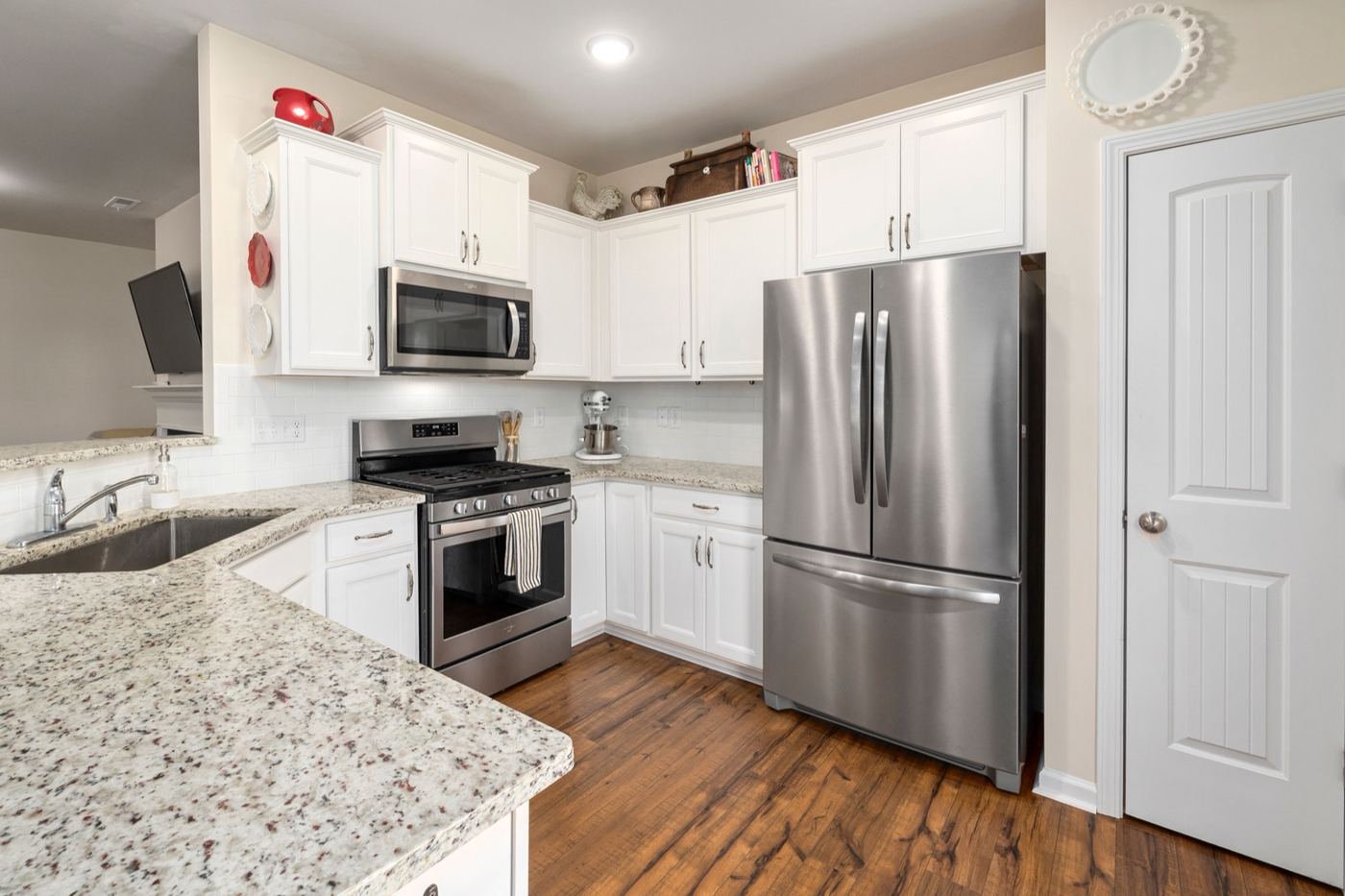
The most common cause is a set of dirty or blocked condenser coils, which stop the compressor from releasing heat efficiently. If the coils look clean, the next most likely causes are a door seal that will not close all the way or a fan that has stopped running behind the freezer's back panel. Working through the causes below in order will point you toward the real issue fastest.
When a refrigerator stops cooling but the light still turns on and you can hear it running, it is easy to assume the worst. In practice, the cause is often something ordinary, a coil that needs cleaning or a seal that needs a wipe-down, sitting alongside a handful of causes that genuinely do need a licensed technician.
Below are the eight causes we see most often, ordered from most to least common, along with the signs that separate one from another and an honest answer on whether it is safe to check yourself.
Jump to a cause
Dirty or blocked condenser coils
Condenser coils release the heat pulled out of the refrigerator's interior. When they are coated in dust and pet hair, or the fridge sits pushed flush against a wall, the compressor cannot shed that heat efficiently and the whole cabinet runs warmer than it should.
- Coils behind or underneath the unit look gray or matted with dust
- The back or sides of the fridge feel unusually warm to the touch
- The compressor runs longer than usual before cycling off
- Cooling got worse gradually over several weeks, not overnight
Door seal not sealing properly
A cracked, warped, or dirty gasket lets cold air leak out and warm, humid air in. The compressor then runs longer to compensate, and the extra moisture often shows up as frost building up faster than normal.
- Visible cracks, tears, or stiff spots on the rubber seal
- The door feels loose or does not pull itself shut
- Frost building up faster than usual near the door edge
- A dollar bill closed in the door slides out with little resistance
Thermostat set wrong or failing
The thermostat tells the compressor when to run. If it has been set too warm, bumped by accident, or the sensor itself is failing, the compressor may not run long enough, or at all, to hold the target temperature.
- The digital display or dial shows a warmer setting than expected
- Temperature swings noticeably throughout the day
- The compressor barely runs even though the fridge feels warm
- The problem started right after cleaning or moving the fridge
Evaporator fan not running
This fan pulls cold air from the freezer's evaporator coil into the refrigerator compartment below it. When it fails, the freezer often stays cold while the refrigerator section warms up, since the cold air produced has nowhere to go.
- The freezer still freezes normally, but the refrigerator does not cool
- Faint clicking, or no sound at all, from behind the freezer's rear panel
- Warm air near the vents connecting the freezer to the fridge
- Ice building up around the evaporator coil itself
Condenser fan blocked or failing
This fan pulls air across the condenser coils to help release heat. If it is blocked by dust or a worn motor stalls, the compressor can overheat and shut itself down as a safety measure.
- The compressor runs, then stops and restarts in short bursts
- Warm air blowing from underneath or behind the unit
- Rattling or grinding noise near the compressor compartment
- Both the fridge and freezer run warm together
Start relay or capacitor failure
The start relay gives the compressor the extra jolt of power it needs to begin running. When it fails, the compressor may hum, click repeatedly, or attempt to start without ever catching.
- Repeated clicking sound every few minutes
- Compressor hums briefly, then goes silent
- Cooling stopped suddenly rather than gradually
- A faint warm smell near the back of the unit
Refrigerant leak or sealed system issue
The sealed refrigerant system is what actually moves heat out of the refrigerator. A leak, restriction, or failed valve slowly reduces cooling capacity, often taking days or weeks to fully show up.
- Cooling gets gradually worse over several days rather than stopping all at once
- Oily residue near refrigerant lines
- A hissing sound when the compressor starts
- Coils feel only slightly warm instead of hot during operation
Compressor failure
The compressor is the heart of the cooling cycle. When it fails outright, the refrigerator may run other components but produce no cooling at all, or fail to start running whatsoever.
- No humming or vibration from the compressor compartment
- The fridge is completely warm despite power being on
- A loud one-time bang or pop right before cooling stopped
- The unit is 10 to 12 years old or older with no prior repairs
Not sure which one matches? Start here
Refrigerator is warm, but the freezer is still cold
- Most likely: evaporator fan not running
- Also check: door seal and thermostat setting
Both the refrigerator and freezer are warm
- Most likely: condenser coils or condenser fan
- Also check: start relay, refrigerant leak, and compressor
Not sure which one it is?
Skip the guesswork. Tell us what you're seeing and a technician will help pin down the cause.
What to check yourself first
These items are safe to check without any tools beyond a vacuum and a flashlight. Always unplug the refrigerator before reaching near the coils, the motor, or any internal panel.
Never reach into the back panel, the compressor compartment, or any area with exposed wiring while the unit is plugged in.
Check the temperature setting. Confirm the display or dial reads 37 to 40 degrees Fahrenheit for the fridge and 0 degrees for the freezer.
Look at the condenser coils. Unplug the unit, pull it out, and vacuum off any dust or pet hair you find.
Check the door seal. Close the door on a dollar bill and see if it slides out easily.
Clear the vents. Make sure nothing stored inside is blocking the air vents between the freezer and refrigerator compartments.
Give it breathing room. Confirm the unit has a few inches of clearance from the wall so heat can escape.
When to call a professional
Some signs point straight to a licensed technician rather than a DIY fix. Call for service if you notice any of the following:
- Clicking, humming, or buzzing that does not stop
- A burning smell or any visible sparking
- Cooling that has been getting worse for more than a day or two
- You have checked the items above and the fridge is still warm
- The unit is still under manufacturer warranty, since a DIY repair can void it
Revive Appliance Repair handles refrigerator cooling issues for homes and businesses throughout Walnut Creek and the surrounding service area. Our refrigerator repair service covers diagnosis through completed repair, backed by a 90-day labor warranty.
You may also find these guides useful: troubleshooting the right refrigerator temperature and an ice maker that stopped making ice.