
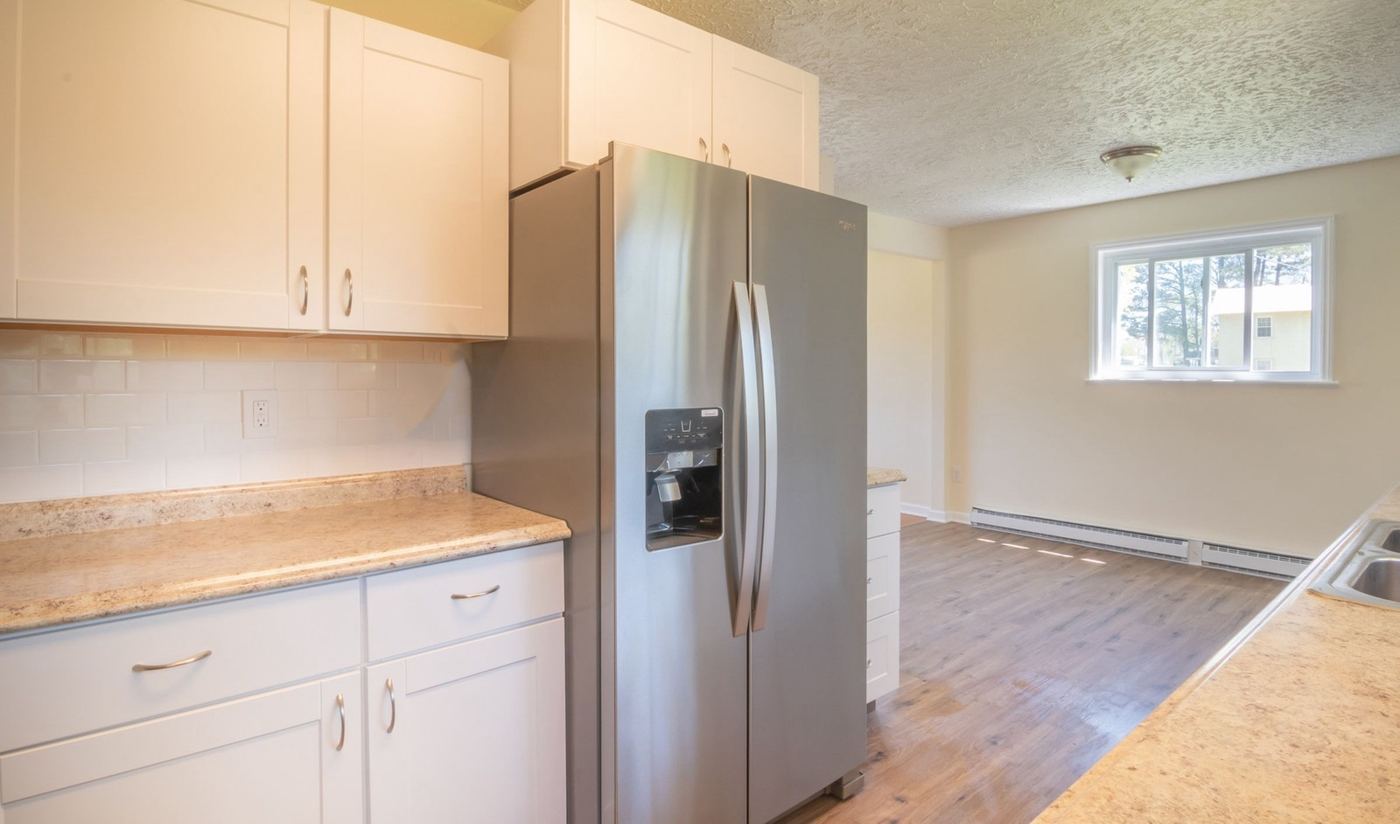
Most refrigerator noises are normal operating sounds such as humming, gurgling, and the occasional pop or click. If the noise is loud, new, or constant, check that the refrigerator is level and not touching the wall, then clean the condenser coils. Squealing from the freezer usually points to ice around the fan, and loud buzzing or repeated clicking is a job for a technician.
When a refrigerator starts making a new noise, it is natural to worry that the compressor is about to fail. In practice, many noises are normal or come from something simple, a refrigerator that is not level or coils clogged with dust, and only a few point to a part that needs a licensed technician.
Below are the eight causes we see most often, ordered from most to least common, along with the signs that separate one from another and an honest answer on whether it is safe to check yourself.
Jump to a cause
Normal operating sounds
A refrigerator is never completely silent. The compressor hums, refrigerant gurgles through the lines, the fans whoosh, and the defrost cycle makes popping and dripping sounds. The ice maker clicks and drops cubes. None of this means something is broken.
- A steady low hum while the compressor runs
- Gurgling, hissing, or trickling a few minutes after the compressor stops
- Popping, crackling, or dripping during the defrost cycle
- Clicking when the compressor or the ice maker switches on
Refrigerator not level, touching the wall, or loose items
A refrigerator that rocks on uneven feet, touches the wall or a cabinet, or has items sitting on top will vibrate and rattle when the compressor runs. This is one of the most common causes of a rattling or humming noise.
- A rattling or buzzing that sounds like it comes from the whole cabinet
- The refrigerator rocks slightly when you push on a corner
- The back or side touches the wall or a cabinet
- Items on top of the refrigerator or loose shelves buzz along
Dirty condenser coils
The condenser coils release heat from the refrigerator. When they are coated in dust and pet hair, the compressor has to run longer and harder, which makes a louder, more constant hum and can lead to the refrigerator running warm.
- A louder or longer hum than the refrigerator used to make
- The compressor seems to run almost all the time
- The coils behind the bottom grille or at the back are visibly dusty
- The area around the bottom of the refrigerator feels warm
Ice or frost around the evaporator fan
In many refrigerators the evaporator fan sits behind a panel at the back of the freezer. If ice builds up around it, the fan blades can scrape against the ice and make a squealing, chirping, or grinding sound.
- A squealing, chirping, or grinding noise from inside the freezer
- Frost or ice visible on the back wall of the freezer
- The noise changes or stops when the freezer door is opened
- The noise started after the freezer was overfilled or the door was left open
Failing evaporator fan motor
The evaporator fan moves cold air from the freezer into the refrigerator. When its motor wears out, it can squeal, buzz, or rattle, and the refrigerator section may start to warm up because the air no longer circulates.
- A loud buzzing or squealing from the freezer back wall
- The freezer is cold but the refrigerator section is warm
- The noise stays even after the freezer was fully defrosted
- The fan does not blow air when the freezer door switch is pressed
Failing condenser fan motor
On many models a small fan near the compressor blows air across the condenser coils. When its motor or blades wear out, it can hum, rattle, or squeal from the back or bottom of the refrigerator, and the cabinet can run warm.
- A humming, rattling, or squealing from the back or bottom
- The sound is louder when the compressor is running
- The coils were cleaned but the noise remains
- The refrigerator is warmer than usual, or the compressor area is very hot
Water inlet valve or ice maker noise
A refrigerator with an ice maker or a water dispenser has a valve that buzzes or hums while water flows in. A short buzz while the ice maker fills is normal, but a loud, long, or constant buzz can mean the valve is failing or the water supply is restricted.
- A buzzing or humming that starts when the ice maker or dispenser fills
- The noise lasts much longer than it used to
- The ice maker makes little ice along with the noise
- A hissing or dripping sound from the back near the water line
Failing compressor or start relay
The compressor is the heart of the cooling system. A worn compressor can buzz, clunk, or rattle loudly, and a failing start relay can click repeatedly as the compressor tries and fails to start.
- Loud buzzing, clunking, or a rattling that sounds metallic
- Repeated clicking every few minutes as the refrigerator tries to start
- The refrigerator warms up and the compressor feels very hot
- A burning smell near the bottom rear of the refrigerator
Not sure which one matches? Start here
Squealing, chirping, or grinding from inside the freezer
- Most likely: ice around the fan or evaporator fan motor
- Also check: normal defrost sounds
Humming, buzzing, or rattling from the back or bottom
- Most likely: dirty condenser coils or condenser fan
- Also check: level and spacing and compressor
Not sure which one it is?
Skip the guesswork. Tell us what you're seeing and a technician will help pin down the cause.
What to check yourself first
These items are safe to check with a level, a vacuum, and a flashlight. Note when the noise happens, for example only when the compressor runs, since that helps pin down the source.
Unplug the refrigerator before cleaning the coils or pulling it away from the wall, move food to a cooler if it will be off for a while, and never remove interior panels or electrical covers yourself.
Locate the noise. Listen at the freezer back wall, at the back or bottom, and near the ice maker.
Check the level and spacing. Adjust the feet, leave a small gap from the wall, and clear the top.
Clean the condenser coils. Unplug the refrigerator and vacuum the dust from the coils and the grille.
Look in the freezer. If heavy frost covers the back wall, empty it and let it thaw while unplugged.
Watch the pattern. Short sounds during cycles are normal, while a constant or very loud noise needs a technician.
When to call a professional
Some signs point straight to a licensed technician rather than a DIY fix. Call for service if you notice any of the following:
- Loud buzzing, grinding, or repeated clicking that does not stop
- The refrigerator or freezer is warming up while the noise continues
- A burning smell, or a cabinet that feels very hot near the bottom rear
- The noise comes back after you leveled, cleaned the coils, and defrosted the freezer
- The refrigerator is still under manufacturer warranty, since a DIY repair can void it
Revive Appliance Repair handles noisy refrigerators for homes and businesses throughout Walnut Creek and the surrounding service area. Our refrigerator repair service covers diagnosis through completed repair, backed by a 90-day labor warranty.
You may also find these guides useful: troubleshooting a refrigerator that is not cooling and the right refrigerator temperature.